Seven apps, one portal, and a 12 day process that now takes 30 minutes
A Fortune 500 company had seven separate tools for getting data, and getting anything done meant bouncing between all of them. I was the lead designer, owning research, UX, and UI end to end, working with one backend developer, one frontend developer, and a product manager. We replaced all seven with one portal. Requests went from twelve days to thirty minutes, and everyone was using it within six months.

PROBLEM
You know that moment when you need one piece of data to do your job, and getting it means logging into a different system, finding the right person, waiting... and waiting some more? That was daily life here. Seven applications, each solving its own small piece, nobody holding the full picture.
Nobody builds a system like that on purpose. It just happens. A tool gets made to solve one problem, then another, then another, and five years later you have seven that don't talk to each other and a workforce that's quietly learned to live with the friction.
The cost wasn't dramatic. It was slow bleed. What pushed it from "annoying" to "we have to fix this" was money. Data had become central to how the company ran, and tracking requests by hand across seven systems had gotten too expensive to keep doing.
SOLUTION
I didn't start with wireframes. I started with conversations.
Stakeholder interviews gave me the symptoms. People were frustrated, things were slow, everyone knew something was broken. But symptoms aren't causes, so I ran a workshop to dig past the complaints and find out why. Then I talked to 20 people across the company: data specialists, everyday team members, department leads. I wasn't there to pitch anything. I was there to hear how they actually worked, which is almost never how the org chart says they work.
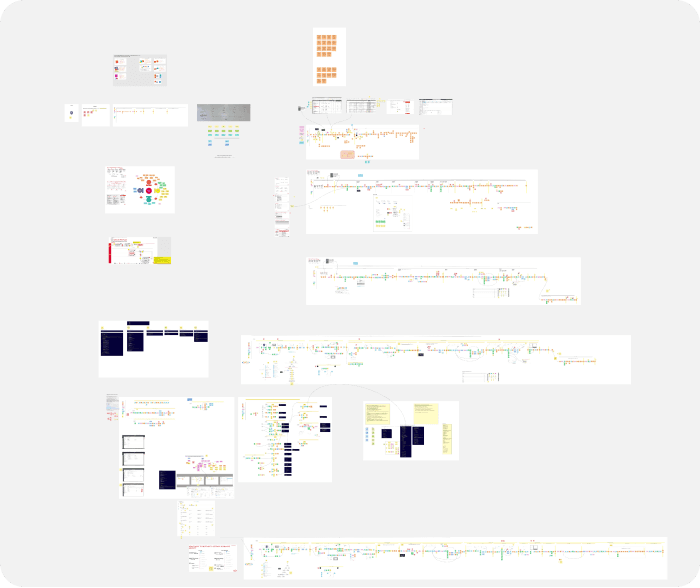
The hard part wasn't the design. It was the politics. Every department pushed for their own needs, and I couldn't build all of it. So the real work became finding the middle ground: a first release that worked for everyone, even if it wasn't perfect for anyone yet. The department specific improvements came later, once that shared foundation existed.
One thing I wanted and didn't get. I pushed to pull the other applications directly into the portal as native features rather than connecting through an interface layer. It would have felt genuinely seamless. It was also far more work than the timeline allowed, so I scoped it down and left it as a future improvement.
DELIVERY
One portal replacing all seven. Browse data without hunting across systems, request what you need in one flow, get approved in seconds instead of days, and see analytics across the whole company. Onboarding, internal news, and support live there too.
IMPACT
Data requests went from 10 to 12 days down to about 30 minutes. Approvals from 3 to 5 days down to about 5.
But the number I care about most isn't a speed metric. It's adoption: 70% in three months, everyone by six. You can design something fast and clean and still have nobody use it. People chose this over their old workarounds, which tells you it fit how they wanted to work.
Stakeholders separately tracked around €130,000 in monthly savings. I want to be straight about that figure. It isn't "my design saved the company €130k." It's the portal plus the rebuild the developers pulled off. The design made the faster process possible. The team made it real.
RETROSPECTIVE
The thing I'd change is when I made the scoping call, not what I decided. I knew early that the native integration wouldn't fit the timeline, but I kept it on the table for weeks hoping the estimate would shrink. It didn't. Calling it sooner would have freed up time for the department specific improvements that ended up waiting until after launch.
I'd also want a cleaner baseline on adoption from day one. We knew when people started using the portal. We didn't have a clear picture of how often they were still slipping back to the old tools in the first month, and that would have shown me where the design was weakest much sooner.


MORE PROJECTS

Running a fast growing SaaS site solo
Three languages, a growing product line, 175+ posts, one person keeping it all coherent. I extended Pentagram's design system with everything that came after it. Active users doubled, the site never slowed anyone down.

Every spacing change needed a developer. I rebuilt the site in Framer, redirects first. Zero URLs lost, rankings held, updates went from days to hours.